MISSION STATEMENT
The purpose in writing Stand Up Science was to provide an entertaining resource for science educators combining poignant stories as well as a "field guide" to better manage what may come your way. There are endless number of browser sites and publications which provide science teaching guidance for any science topic. This memoir/field guide addresses the range of ancillary issues that provide support for classroom teachers. Changes in classroom demands, administrators, and curriculum along with topical challenges, packed classrooms, and monetary issues, it's no wonder the average science teacher remains in the classroom for a few years. That data point has remained roughly the same since I began teaching. Why is that? After reading this book, it is hoped you can "stand up" in front of your science students with more confidence. Understanding another's journey who coped with all of it, may help you reach your full potential and find the joy in teaching science.
A part of Jan's teaching mission is to have her students understand that science is the engine that drives change. Students could better understand how learning connects to the real world. The following are 2 examples.
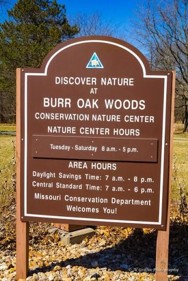
Her parents, and students worked hard to gather signatures to place the 1/8th of 1% on the ballot. Because this initiative passed, the students and parents played a part in providing Missouri money to build nature centers, create educational materials, save habitat, regulation of wildlife and expand game for hunters.
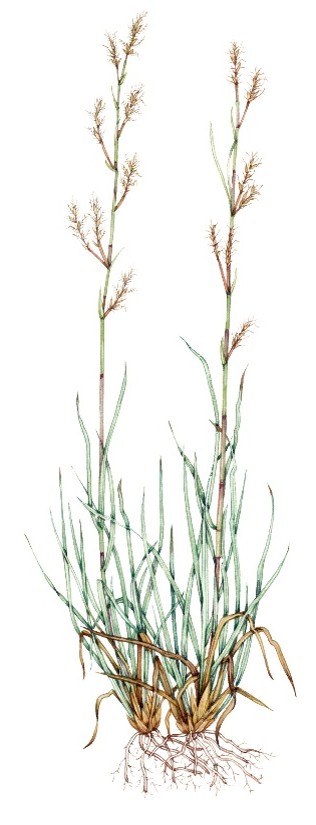
Besides research she took her students to state and national competitions, library research on hot topics in science, and were instrumental in securing the state grass of Kansas: Little Blue Stem - Schizachyrium scoparium, a bunch grass.
Her students lobbied for a state grass appearing before the Kansas Wildlife and Parks Commission. It took 5 years of lobbying and letters. Her guidance and the guidance of Valerie Wright, the biological station manager of the Konza Prairie, helped convince the legislators to finally establish a state grass. The Little bluestem is one of the most abundant and hardiest grasses in Kansas. It has significant economic importance in the Flint Hills region. Its roots, which grow 5-8 feet deep it withstands drought, severe wind, prairie fires, and other impactful conditions. The plant turns a red or bronze-orange cast after frost.
“Well Begun is Half Done.” Aristotle